
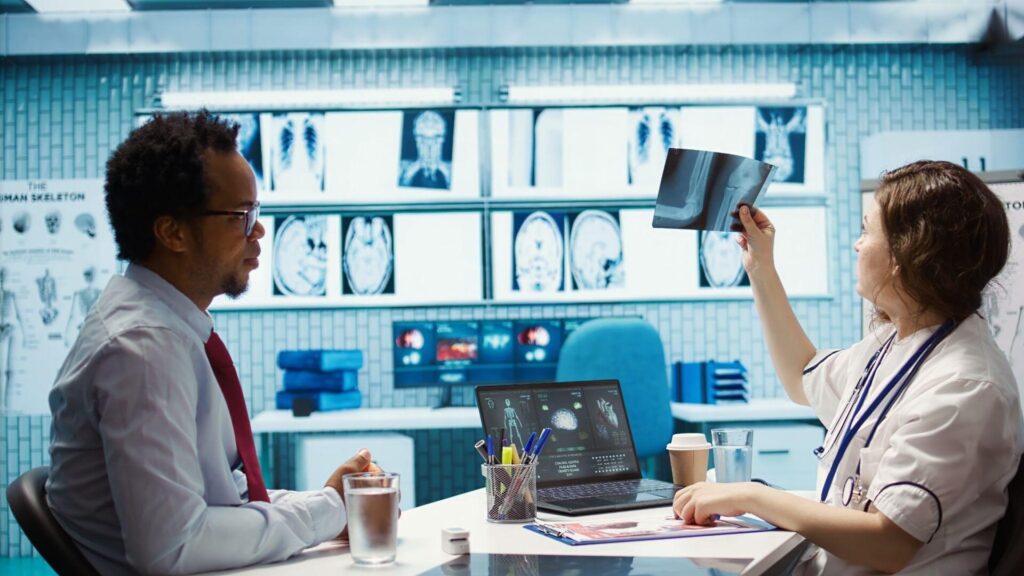
Getting a clear view of the inside of the body matters a lot in healthcare. Medical imaging solutions help provide that view, giving doctors the ability to look at problems, figure out what’s going on, and plan care all without cutting the skin.
A chest X-ray can be a starting point. So can a detailed MRI scan. Today, imaging plays a key role in how patients are helped. In this guide, we cover the main kinds of medical imaging systems, the things to check when choosing medical imaging equipment, and tips for finding a reliable supplier for your facility.
What Are Medical Imaging Solutions?
Medical imaging solutions are the tools used to create pictures of what’s inside the body. These pictures help clinicians find issues such as fractures, growths, narrowed or blocked blood flow, and infections things that simply can’t be seen from the outside.
Good medical diagnostic imaging does more than just produce an image. It gives the care team the details they need to act quickly and choose the right next step for the patient. When imaging is missing or unreliable, problems can go undetected until treatment becomes far more difficult.
That’s why hospitals, clinics, and outpatient sites invest heavily in medical imaging solutions they can trust. Clearer scans support better outcomes for patients, plain and simple.
Main Types of Medical Imaging Systems
No single kind of imaging tool fits every need. Some medical imaging systems are built for one specific task, others for a completely different one, and each runs in its own unique way.
1. X-Ray Systems
X-rays are among the most widely used medical imaging equipment in healthcare. They send a low dose of radiation through the body to produce images that show bones and other dense tissue clearly. Doctors commonly use them to check for broken bones, lung or chest concerns, and dental issues.
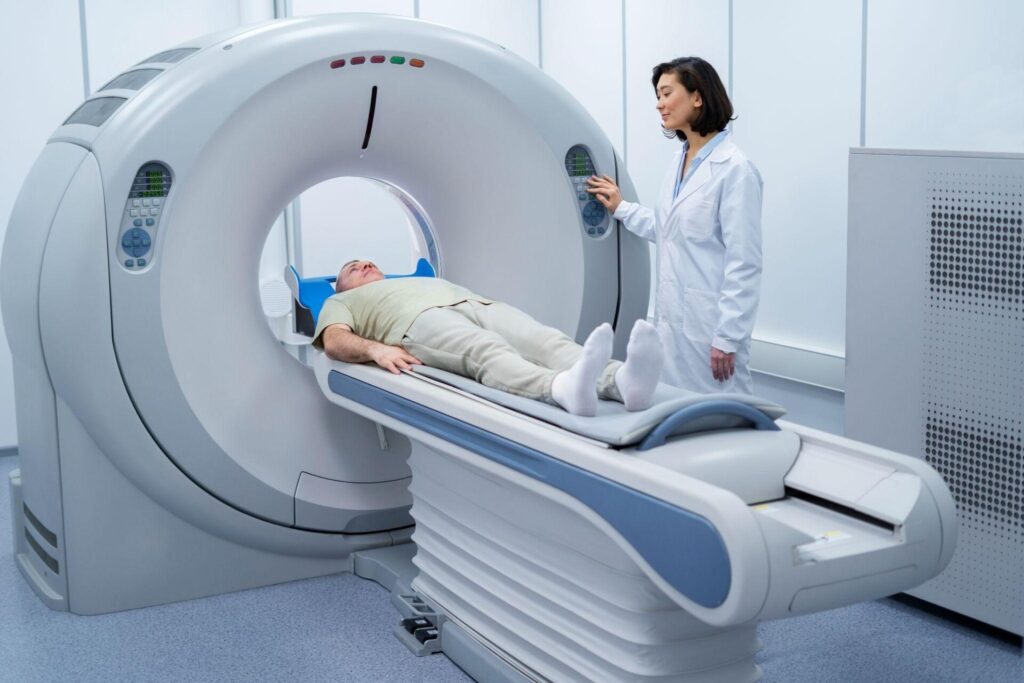
2. CT (Computed Tomography) Scanners
A CT scanner captures X-ray images from multiple directions, then merges those signals into clear cross-sectional slices of the body. Many doctors rely on CT to spot tumors, check for internal bleeding, and evaluate complex bone damage.
3. MRI (Magnetic Resonance Imaging) Machines
MRI doesn’t use radiation at all. Instead, it relies on strong magnets and radio waves to produce highly detailed images, especially useful for soft tissue like the brain, spinal cord, and joints.
4. Ultrasound Machines
Ultrasound sends sound waves through the body and converts the returning echoes into live images. It’s commonly used to monitor pregnancies over time and to examine organs such as the liver, kidneys, and gallbladder.
5. Nuclear Medicine and PET Systems
These systems use small doses of radioactive material to track how organs are functioning — helpful for detecting cancer early and studying conditions of the heart and brain.
6. Fluoroscopy Systems
Fluoroscopy provides a live video feed made from a steady stream of X-rays. Doctors often use it while placing catheters, or to observe movement within the digestive tract.
These medical imaging systems don’t all serve the same purpose, which is why most facilities rely on a mix of them to properly meet patient needs.
How to Select the Right Medical Imaging Equipment
It’s tempting to simply buy the newest or most expensive system on the market. But choosing the right medical imaging equipment is about far more than that; it’s about matching the device to your patients, your space, and your budget.
Here’s what’s worth thinking through:
- Patient volume: A busy hospital typically needs high-throughput, fixed systems. A smaller clinic may do better with mid-range or mobile equipment.
- Space and infrastructure: Fixed X-ray or CT suites need dedicated, properly shielded rooms. Mobile units require far less setup.
- Budget and total cost of ownership: Look beyond the purchase price — factor in installation, service contracts, software updates, and replacement parts.
- Integration: Confirm new equipment works smoothly with existing systems like PACS (image storage) and RIS (records management).
- Future needs: Choose medical imaging equipment that can grow alongside your facility, not just meet today’s demand.
Slowing down to think this through usually pays off with far better long-term value.
How to Choose Reliable Medical Imaging Equipment Suppliers
Choosing the right medical imaging equipment suppliers matters just as much as choosing the scanner itself. A solid supplier doesn’t just drop off equipment and disappear — they stay with you throughout setup and beyond.
Look for medical imaging equipment suppliers who offer:
- A wide range of trusted brands and models, both new and refurbished
- Strong after-sales support and fast service response times
- Help with installation, room planning, and project management
- Financing or leasing options to ease budget pressure
- A solid reputation and proven experience working with facilities like yours
Choosing the right supplier saves time, speeds up installation, and increases the odds your equipment performs reliably for years to come.
Medical Diagnostic Imaging vs. Therapeutic Imaging
People sometimes blur these two terms together, but their goals are quite different.
Medical diagnostic imaging looks inside the body to help clinicians spot what’s going on first, so they can choose the right plan for care. X-rays, CT scans, MRIs, and ultrasounds are all common examples.
Therapeutic imaging does a different job entirely. It supports care while treatment is underway. A key use case is image guidance during radiation therapy, or showing what’s happening during minimally invasive procedures, where clinicians rely on live images to steer instruments inside the body.
In short, diagnostic imaging locates the issue, while therapeutic imaging helps deliver the treatment.
Final Thoughts
Picking the best medical imaging solutions is a major decision for any care facility. The right combination of medical imaging systems, paired with a reliable local partner, helps teams spot issues faster and keeps day-to-day operations moving smoothly.
Whether you’re starting fresh, growing a department, or replacing older machines, what you buy matters, and so does who you buy it from, since support during setup and ongoing service can significantly affect results.
That’s where Simons X-Ray comes in. We work with both small clinics and bigger facilities, focusing on dependable medical imaging equipment that keeps exams moving with fewer unexpected hold-ups.
FAQs
What are medical imaging solutions, and why are they critical for modern healthcare?
Medical imaging solutions are systems and tools that create pictures of what’s inside the body, helping doctors spot health problems sooner and with greater accuracy, often without the need for invasive procedures.
What are the main types of medical imaging systems available today?
Common medical imaging systems include X-ray, CT, MRI, ultrasound, nuclear medicine, and fluoroscopy, each suited to a specific kind of exam depending on what the doctor is trying to find.
How do I select the right medical imaging equipment for my healthcare facility?
Consider your patient volume, available space, budget, integration with existing systems, and future growth needs before choosing medical imaging equipment.
How do I choose reliable medical imaging equipment suppliers?
Find medical imaging equipment suppliers with a proven track record, a wide range of products, strong after-sales support, and flexible financing options.
What is the difference between medical diagnostic imaging and therapeutic imaging?
Medical diagnostic imaging helps doctors figure out what problem a patient has, while therapeutic imaging is used during care to support a treatment plan or guide clinicians in real time.