
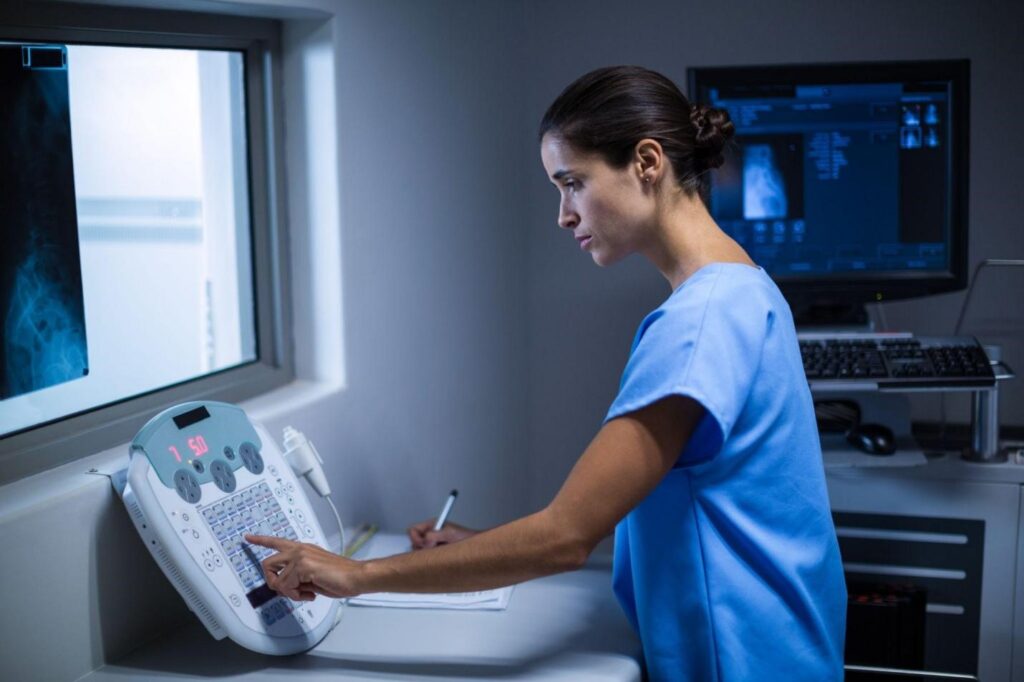
Imaging tools in a clinic or hospital are very important. People depend on them all the time. Think of an X-ray unit, a CT scanner, or an ultrasound system. These machines must run well, day after day.
This is why imaging equipment service matters. A good service team handles routine checks. They also fix problems fast when something breaks. They also verify settings so the results stay accurate.
In the next sections, we explain what imaging equipment service usually includes. We also cover why it has a direct impact on safety. Finally, we look at how it helps the facility keep working without major delays.
What Is Imaging Equipment Service?
Imaging equipment service keeps diagnostic machines running as they should. It includes routine checks, inspections, and repairs. This is not a task you do once and forget. It keeps going over time.
Service usually covers preventive maintenance, calibration checks, and repairs when an issue arises. The goal is to support patient safety and keep the images reliable. It also helps protect the value of costly equipment.
If you skip regular servicing, you may spend less right now. In many cases, that choice causes bigger expenses later. You can end up with sudden failures, appointment delays, and lower-quality images, which is exactly why imaging equipment repair should never be put off.
What Does Comprehensive Imaging Equipment Service Include?
A thorough imaging equipment service isn’t just a quick once-over. It typically covers:
- Visual inspection of the system, cables, switches, and controls.
- Mechanical and safety checks to confirm the equipment operates as intended.
- Generator performance testing to verify consistent output.
- Calibration verification, ensuring exposures stay within required tolerances.
- Software and firmware review, keeping systems up to date.
- Image quality assessment, confirming diagnostic accuracy hasn’t drifted.
- General cleaning and adjustment of key components.
These steps form a full plan for fixing and maintaining imaging equipment. The goal is to spot minor problems early, before they turn into costly breakdowns requiring imaging equipment repair.
Why Preventive Medical Imaging Equipment Maintenance Matters
Some clinics focus on maintenance only after something stops working. When you wait for a failure, you can end up with sudden downtime, late appointments, and bills that are much bigger than what regular checkups cost.
Medical imaging equipment maintenance performed on a regular schedule helps facilities:
- Catch wear and calibration drift early, before it affects diagnosis
- Avoid unexpected breakdowns and last-minute appointment cancellations
- Extend the working life of expensive equipment
- Maintain consistent, reliable image quality over time
- Stay compliant with regulatory and licensing requirements
Many makers say you should do a preventive check about one time each year. That said, some setups get used a lot, or they sit in tough places. Imaging sites that run special equipment may also need more frequent medical imaging equipment maintenance. How often depends on the load and the conditions around the unit.
When Should a Facility Request Emergency Repair?
Even with the best maintenance schedule, equipment can occasionally fail unexpectedly. Facilities should call for medical imaging equipment repair immediately if they notice:
- Sudden drops in image quality or clarity
- Unusual noises, error messages, or system warnings
- Inconsistent exposure readings
- Physical damage to cables, housings, or components
- Any safety interlock or warning light malfunction
If you act fast, you can cut down on lost time. It also stops a small problem from growing into a bigger, expensive breakdown. A good imaging equipment repair team should answer promptly. They should also have your unit running safely and dependably again through prompt medical imaging equipment repair.
The Role of X-Ray Calibration Services
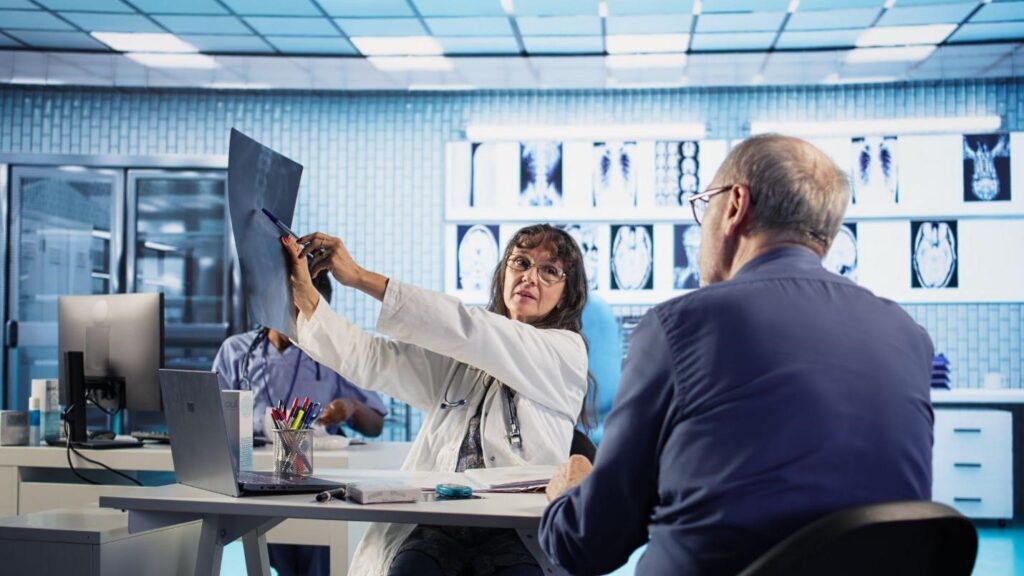
Calibration matters a lot for imaging gear, but people skip it more than they should. X-ray calibration services check that the unit is making exposures within the stated tolerance levels, such as:
- kVp accuracy
- Exposure time
- mA output
- Radiation output consistency
- Beam alignment
- Collimation
- Safety interlocks
If calibration is not done on a regular schedule, the image can slowly lose its sharpness. In some cases, you do not notice anything wrong right away. That can mean patients may be scanned again. It can also affect how well findings match the true condition, which may point to the wrong diagnosis. Patients can also get more radiation than they need. A scheduled check through professional x-ray calibration services helps hold the system within the set limits. This supports steady image results and better protection for patients.
How Certified Service Ensures Regulatory Compliance
Places that use imaging tools with ionising radiation have to follow local rules. Those rules can involve getting a licence, doing a registration step, and running checks on how well the equipment performs. What is needed depends on where the clinic is located and on the exact kind of device they use.
A certified diagnostic imaging equipment service provider helps facilities stay compliant by:
- Performing servicing and calibration to manufacturer specifications
- Keeping detailed, accurate maintenance and service records
- Supporting facilities through audits and inspections
- Assisting with long-term equipment lifecycle planning
Good paperwork does more than fill forms. It shows that your site runs in a safe and careful way. It also matters when you get checked during a compliance review of your diagnostic imaging equipment service provider.
Building a Reliable Service Routine
The most effective approach to imaging equipment care combines several layers:
- Daily checks – Basic visual inspections and performance observations
- Scheduled preventive maintenance – Typically annual, or more frequent for high-use systems
- Calibration verification – Confirming exposure accuracy stays within tolerance
- Emergency repair support – Fast response when something goes wrong
Facilities that build all four into a consistent imaging equipment service routine tend to see fewer breakdowns, more predictable costs, and longer-lasting equipment overall.
Final Thoughts
Good imaging care is not only about fixing faults later. It is also about stopping those faults before they start. When you plan service ahead, set correct calibration, and arrange repairs that are done by trained staff, you reduce risk for patients and keep the images clear. You also help your hardware last longer and stay worth the cost.
Simons X-Ray offers planned maintenance for many clinics and teams. We also help with servicing, calibration support, and diagnostic imaging equipment service needs. This includes medical, chiropractic, dental, and veterinary practices. Our specialists can support digital radiography systems, x ray generators, detectors, imaging software, and the related setup.
FAQs
What does a comprehensive imaging equipment service include?
A full imaging equipment service starts with a close look at the unit. Next, we do checks on the parts and verify the safety items. We run tests to confirm the generator is working as expected. We also verify calibration and check that the software is in order. After that, we review the image output quality.
Why is preventive medical imaging equipment maintenance essential for diagnostic facilities?
Preventive medical imaging equipment maintenance catches wear and calibration drift early, helping facilities avoid unexpected breakdowns, maintain image quality, and extend equipment lifespan.
When should a facility request emergency medical imaging equipment repair?
If the facility spots a drop in picture quality, or something odd in how the system acts, it should arrange medical imaging equipment repair right away. Also act fast if the exposures look inconsistent, if you find any physical damage, or if a safety interlock gives a fault.
How does certified diagnostic imaging equipment service ensure regulatory compliance?
Trained technicians provide diagnostic imaging equipment service based on what the maker asks for. They also keep clear service logs. They work with the site during audits. They help with planning over the full life of the equipment.
Why are periodic X-ray calibration services necessary for accurate diagnostic imaging?
X-ray calibration services check that the exposure is accurate and steady. This can prevent having to rescan and avoid extra radiation. It also helps stop slow changes in image quality over time.