
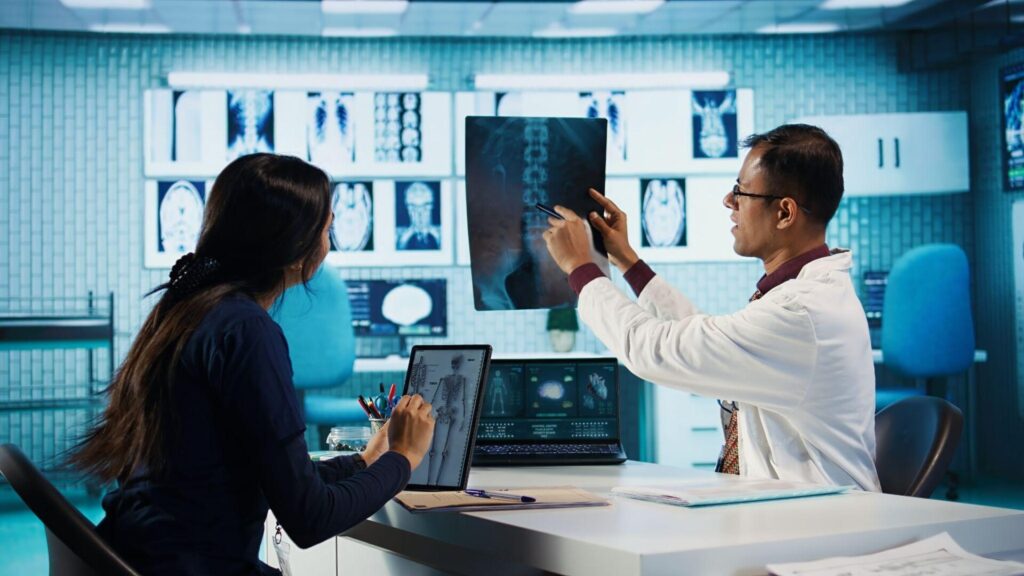
An X-ray unit is one of the main tools in most settings, both medical and industrial. If it stops working without warning, the effects show right away. You lose appointments, inspections pause, and the site can rack up expensive downtime. That is why knowing about X ray machine repair is so important. It also helps to understand the upkeep and calibration work that can prevent failures before they start.
In this guide, you will see common reasons X-ray systems need repair. You will also learn how routine checks cut down on breakdowns. Finally, it explains what to look for when you hire a technician who can handle the job.
Signs You Need Immediate X Ray Machine Repair
A lot of x ray repair jobs start with hints. It is not usually a surprise. Teams should set up x ray repair as soon as they see any of these signs:
- A sudden drop in image quality, clarity, or contrast
- Unusual noises, error codes, or system warnings during operation
- Inconsistent exposure readings from one scan to the next
- Visible damage to cables, housings, switches, or connectors
- Malfunctioning safety interlocks or warning indicators
- Longer-than-normal boot-up or processing times
If you notice the early signs and set up X ray repair right away, a small issue can stay small. That choice can also help you avoid a bigger and costly breakdown needing full x ray equipment repair. It usually means less time with the unit not working.
How Preventive Maintenance Reduces Repair Costs
A solid way to cut down on how often you need x ray equipment repair is to keep up with routine x ray preventive maintenance. If you wait for a failure, the cost is usually higher than dealing with the problem when it is still small.
A solid x-ray maintenance routine typically includes:
- Visual inspection of the system, cables, and controls
- Mechanical and safety checks
- Generator performance testing
- Calibration verification
- Software and firmware review
- Cleaning of sensitive components like the tube, detectors, and filters
- Image quality assessment
Many makers say to do x ray preventive maintenance checks at least one time each year. If the system runs a lot, it may need attention sooner. This depends on how busy the site is and the way the unit is used.
When a place keeps up with a steady x ray maintenance plan, things usually break less often. That can mean fewer urgent service calls. It can also help costs stay steadier. In the end, the equipment often lasts longer.
What to Look for in an X Ray Machine Repair Technician?
Not every technician is equipped to work on complex imaging equipment. When choosing an x ray machine repair technician, look for:
- Manufacturer-specific training on the exact systems in your facility
- Relevant certifications proving competency in radiographic equipment service
- Experience across a range of brands and models, not just one system type
- Access to genuine replacement parts rather than generic substitutes
- A track record of fast response times, particularly for urgent repairs
- Clear documentation practices, since detailed service records matter for compliance and warranty protection
A good X ray machine repair technician does more than fix the first fault. They look for what caused it in the first place. That extra work helps stop the same problem from coming back again.
Why Calibration Matters as Much as Repair?
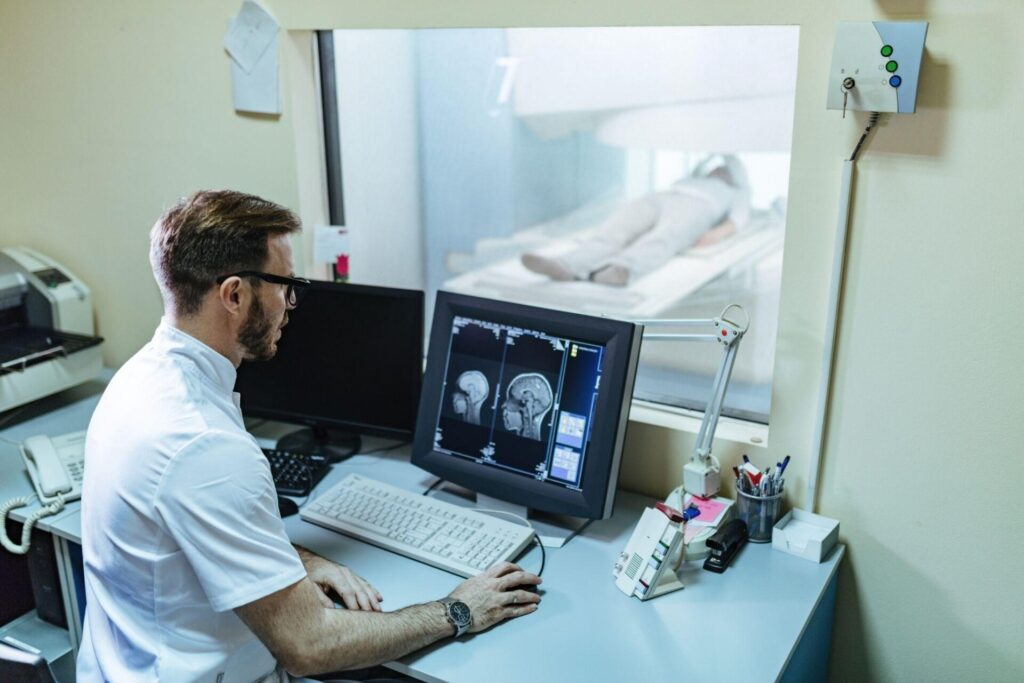
Fixing repairs what is not working. Calibration makes sure the tools that run today keep their numbers correct tomorrow. With X-ray calibration services, we confirm the setup is still giving the right exposure levels. We review key parameters too, including:
- Voltage and current output
- Exposure time accuracy
- Radiation output consistency
- Beam alignment and geometric accuracy
- Collimation
- Safety interlocks
If you skip routine x-ray calibration services, the image quality can slowly change. You may not notice it right away, but the output can become uneven. That can cause repeat scans. In a clinic, it can also mean patients get extra radiation they do not need.
In factories, this kind of drift can affect how well parts are inspected. It can also throw off quality control checks. The fix is simple: keep up with regular calibration so the results stay dependable as time passes.
Why Certified Calibration Supports Regulatory Compliance?
People who run X-ray machines, for medicine or for industry, usually have to follow rules. Those rules often cover permits, record-keeping, and checks to confirm the equipment works right. Licensed x-ray calibration services teams help with compliance by:
- Verifying performance against manufacturer specifications
- Producing accurate, auditable service and calibration records
- Supporting facilities through inspections and regulatory reviews
- Assisting with long-term equipment lifecycle planning
Good documentation is more than a box to tick. It shows that the gear was cared for at the level the rules call for. That detail can matter a lot when an audit checks compliance.
X-Ray Maintenance Tasks Operators Can Handle Between Service Visits
Taking care of equipment is important, and most people can help between visits. Small steps done regularly can keep things working well. Simple x ray maintenance includes:
- Wiping down external surfaces and control panels to prevent dust buildup
- Visually inspecting cables and connectors for wear or damage
- Monitoring for unusual noises, error messages, or performance changes
- Keeping a log of daily performance observations
- Ensuring vents and cooling components remain unobstructed
- Reporting any irregularities promptly, rather than waiting for the next scheduled service
These quick checks stay steady and small. They help spot problems early. Sometimes the issue shows up before it turns into a call for full x ray equipment repair.
Building a Reliable Maintenance and Repair Routine
The most effective approach combines several layers working together:
- Daily operator checks – Quick visual and performance observations
- Scheduled preventive maintenance – Typically annual, more often for high-use systems
- Regular calibration verification – Keeping exposure accuracy within tolerance
- Fast, qualified repair support – For when something does go wrong
Facilities that build all four into a consistent x ray maintenance routine tend to experience fewer breakdowns, more predictable costs, and equipment that lasts significantly longer.
Final Thoughts
Fixing an X ray machine repair the right way is not only about handling problems after they show up. It also means doing checks ahead of time, running routine calibration, and hiring a repair tech who is actually qualified to work on the unit. When a site covers all of this, it usually sees less downtime, fewer compliance headaches, and fewer cases where image results do not match expectations.
That is the role Simons X-Ray plays. If your site needs planned x-ray maintenance, help with urgent x-ray machine repair, or dependable x-ray calibration services, Simons X-Ray can support it. Their goal is to help you keep your imaging equipment working safely and with steady performance.
FAQs
What are the most common signs that a facility needs immediate X-ray machine repair?
You might notice lower image quality. You may also hear odd sounds or see error prompts. Sometimes the exposure numbers do not match. You can also spot bent cables or damaged parts. If the safety switches do not work right, that is another warning calling for X ray machine repair.
How does routine X-ray preventive maintenance reduce equipment downtime and repair costs?
Regular X-ray preventive maintenance helps find wear before it grows. It also helps catch calibration drift in time. Small component problems show up early too. When these issues are handled right away, they do not turn into major failures needing X-ray equipment repair.
What key qualifications and certifications should you look for in an x-ray machine repair technician?
Check if they have training made for the specific brand. See whether they hold the right industry certificates. Find out if they have worked with more than one equipment brand. Confirm they can get real OEM parts. Also look at how well they keep records and service notes all signs of a qualified X-ray machine repair technician.
Why are certified x-ray calibration services required for regulatory compliance and image accuracy?
X-ray calibration services are used to check how well the device works versus the maker’s limits. It also creates records you can review later. Inspectors expect this kind of proof. It helps keep the imaging results steady over time.
What essential x-ray maintenance procedures can operators perform between professional service visits?
A person on the shift can look things over and check the outside as part of routine x-ray maintenance. They can wipe the external parts clean. They can also watch for small changes in how the unit runs. They should make sure the cooling vents stay clear. If they spot anything odd, they write it down so the next service team can review it.