
Medical diagnostics have advanced rapidly, and X-Ray Imaging Technology remains one of the most essential tools in modern healthcare. From detecting fractures to guiding complex interventional procedures, x-ray imaging plays a critical role in accurate diagnosis and treatment planning. Recent innovations in x-ray technology have significantly improved image quality, patient safety, workflow efficiency, and clinical outcomes, making modern systems more reliable and precise than ever before.
This article explains the latest advances in X-Ray Imaging Technology, how they work, and why they are shaping the future of diagnostic imaging across healthcare facilities.
What Is X-Ray Imaging Technology?
X-Ray Imaging Technology is a medical diagnostic technique that uses controlled x-ray radiation to produce detailed images of internal body structures such as bones, organs, and tissues. Modern systems combine digital x-ray, advanced detectors, and intelligent software to deliver fast, accurate, and low-dose imaging for a wide range of clinical applications.
Today’s x-ray systems are designed to improve diagnostic confidence while prioritizing patient safety and operational efficiency.
How Has X-Ray Imaging Technology Evolved Over Time?
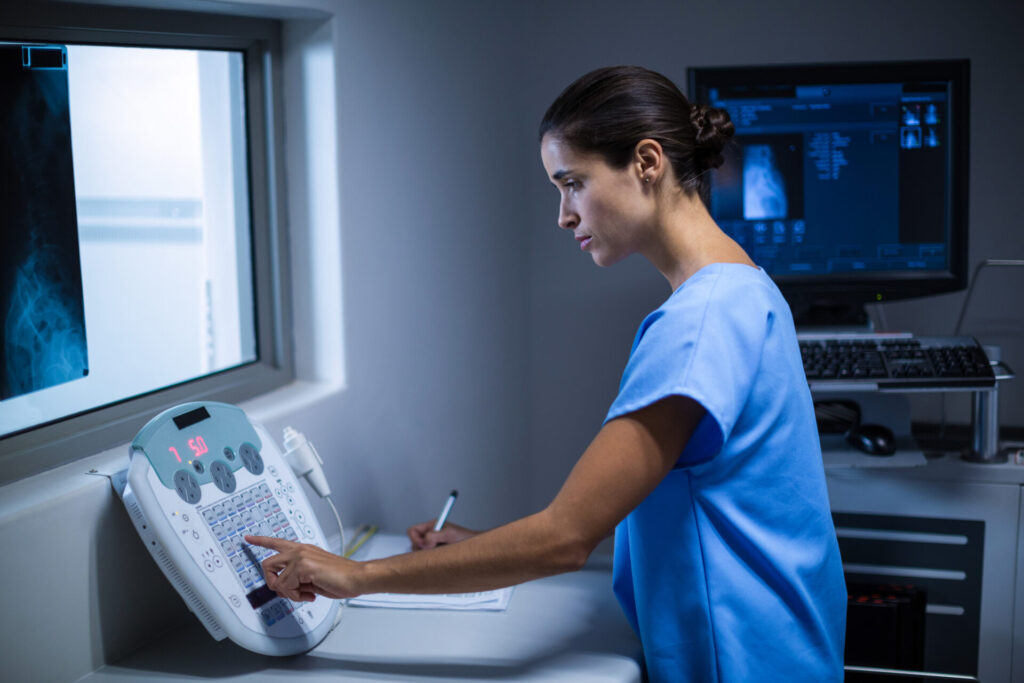
X-ray imaging has evolved from basic film-based systems to highly sophisticated digital platforms. Traditional film x-rays required chemical processing, physical storage, and longer examination times, which limited efficiency and accessibility.
The introduction of digital x-ray marked a major turning point. Digital systems enabled instant image acquisition, electronic storage, and advanced image processing, allowing healthcare professionals to diagnose conditions faster and more accurately. Today, X-Ray Imaging Technology continues to evolve with intelligent software, high-performance detectors, and seamless system integration.
Why Is Digital X-Ray the Industry Standard?
Modern healthcare facilities rely heavily on digital x-ray systems due to their speed, accuracy, and flexibility. Digital x-ray technology uses electronic detectors instead of traditional film, converting x-ray signals into high-quality digital images that can be viewed immediately.
Key benefits of digital x-ray include:
-
- Faster diagnosis and reduced examination time
- Improved image resolution and clarity
- Lower radiation exposure for patients
- Easy storage, sharing, and retrieval of images
These advantages have made digital x-ray the foundation of modern X-Ray Imaging Technology, supporting better clinical decision-making and improved patient care.
What Are the Latest Advances in X-Ray Imaging Technology?
Recent innovations have transformed x-ray imaging into a smarter and more efficient diagnostic tool.
The latest advances in X-Ray Imaging Technology include:
-
- High-resolution flat-panel detectors
- AI-powered image analysis and workflow automation
- Low-dose radiation imaging techniques
- Portable and mobile digital x-ray systems
- Real-time imaging using c arm x ray machine technology
These developments are helping healthcare providers deliver faster, safer, and more accurate diagnostics.
How Do Advanced Detectors Improve Image Quality?
One of the most important advancements in x-ray technology is the development of high-performance detectors. Modern flat-panel detectors provide greater sensitivity and higher resolution, allowing clinicians to capture detailed images with minimal radiation exposure.
Advanced image processing software enhances contrast, sharpness, and noise reduction. This allows radiologists to detect subtle abnormalities more easily, improving diagnostic confidence in orthopedic, chest, dental, and trauma imaging.
How Is Artificial Intelligence Transforming X-Ray Imaging?
Artificial intelligence is playing an increasingly important role in modern X-Ray Imaging Technology. AI-powered tools assist radiologists by analyzing images, identifying patterns, and highlighting potential abnormalities.
Benefits of AI in x-ray imaging include:
-
- Faster image interpretation
- Reduced diagnostic errors
- Improved workflow efficiency
- Support for early disease detection
By acting as a decision-support system, AI helps clinicians make more accurate and timely diagnoses while reducing workload pressure.
How Does Low-Dose X-Ray Imaging Improve Patient Safety?
Patient safety is a major focus of modern diagnostic imaging. One of the most significant developments in X-Ray Imaging Technology is the advancement of low-dose imaging techniques.
Modern x-ray systems use automatic exposure control and dose optimization technologies that adjust radiation levels based on patient size and clinical requirements. This ensures high-quality images while minimizing radiation exposure, making x-ray imaging safer for pediatric patients and individuals requiring frequent scans.
What Is a C Arm X Ray Machine Used For?
A c arm x ray machine is an advanced imaging system designed to provide real-time x-ray images during surgical and interventional procedures. It is widely used in orthopedics, cardiology, pain management, and minimally invasive surgeries.
Advantages of a c arm x ray machine include:
-
- Real-time imaging during procedures
- Improved accuracy and precision
- Enhanced mobility and positioning flexibility
- Better procedural outcomes
Recent advancements have improved image clarity, dose efficiency, and system maneuverability, making c-arm systems a vital part of advanced X-Ray Imaging Technology.
Why Are Portable and Mobile X-Ray Systems Important?
Portable and mobile x-ray systems are becoming increasingly important in modern healthcare. These systems allow imaging to be performed at the patient’s bedside, in emergency departments, intensive care units, and remote locations.
Portable digital x-ray units reduce the need to transport patients and enable faster diagnosis in critical care and trauma situations. This flexibility expands access to X-Ray Imaging Technology while maintaining high diagnostic standards.
How Does System Integration Improve Healthcare Efficiency?
Modern X-Ray Imaging Technology is designed to integrate seamlessly with hospital information systems and digital imaging platforms. Digital x-ray images can be stored electronically, shared across departments, and accessed remotely by specialists.
This integration improves communication, speeds up diagnosis, and supports collaborative care, helping healthcare providers streamline workflows and improve patient outcomes.
What Is the Future of X-Ray Imaging Technology?
The future of X-Ray Imaging Technology will be driven by continued innovation in artificial intelligence, detector materials, system connectivity, and user-friendly design. Sustainability is also becoming a key focus, with modern digital x-ray systems consuming less energy and eliminating chemical processing.
As technology advances, x-ray imaging will continue to deliver higher accuracy, improved safety, and greater efficiency across healthcare applications.
Browse our more products:
https://www.simonsxray.com/overhead-mount-x-ray-systems/
https://www.simonsxray.com/mri-systems/
To see our more products, visit our website Simons X-Ray and contact us (801) 532-1600 today.
Frequently Asked Questions (FAQ)
What is X-Ray Imaging Technology used for?
X-Ray Imaging Technology is used to diagnose fractures, detect diseases, guide surgical procedures, and monitor treatment progress across multiple medical specialties.
What are the benefits of digital x-ray?
Digital x-ray offers faster imaging, better image quality, lower radiation exposure, and easy electronic storage and sharing.
What is a c arm x ray machine?
A c arm x ray machine is a real-time imaging system used during surgical and interventional procedures to improve accuracy and outcomes.
Is modern x-ray imaging safe?
Yes, modern x-ray technology uses low-dose imaging techniques to minimize radiation exposure while maintaining diagnostic accuracy.
How does AI improve x-ray imaging?
AI helps analyze images faster, reduce errors, and support early disease detection by assisting radiologists in image interpretation.
Conclusion
The latest advances in X-Ray Imaging Technology have transformed diagnostic imaging by delivering faster, safer, and more accurate solutions. Innovations in digital x-ray, artificial intelligence, low-dose imaging, portable systems, and advanced tools like the c arm x-ray machine are redefining modern healthcare diagnostics.
As x-ray technology continues to evolve, it will remain a cornerstone of medical imaging, supporting improved clinical outcomes and enhanced patient experiences across healthcare environments.